What is Fungabeam?
Fungabeam is an at‑home device designed to address nail fungus (onychomycosis) using light-based therapy. It pairs two wavelengths: 470 nm blue light intended to disrupt bacteria on the surface, and 905 nm invisible (infrared) light aimed at improving oxygen levels in the affected area to support healing and nail appearance.
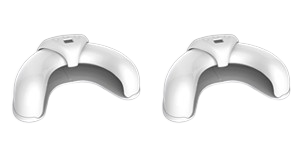
The idea is to send light through the nail plate so it reaches the nail bed, where fungal colonies often sit—something topical creams may struggle to access. The recommended routine is short but consistent: seven minutes per session, twice a day, for about three months if you want to see meaningful changes as the nail grows out.
Feedback shared online includes positive reports, but long‑term outcomes with laser approaches are still being studied, and recurrence can occur. Also worth noting: some websites that claim to sell Fungabeam have been flagged for low trust scores. If you decide to buy, use a trusted source.
Why I Tried FungaBeam: My Reasons Revealed
- Targets the source: Uses focused light to go beyond the nail surface and address fungal growth where it starts.
- Non‑invasive and drug‑free: An option that avoids oral medications.
- Simple routine: Quick seven‑minute sessions, twice daily.
- Strong buzz: High ratings and plenty of favorable user feedback.
- FDA‑cleared device design: Built to safety standards for home use.
FungaBeam: My Personal Experience
My experience with FungaBeam was very positive. Using it consistently for eight weeks, I followed the seven‑minute, twice‑daily schedule. Over the first several weeks, the yellowing and brittleness began to ease up, and I could see healthier nail growth coming in.
I appreciated that it’s non‑invasive and doesn’t rely on drugs. While results can vary from person to person, the changes I noticed were clear enough that I felt encouraged to keep going.
How Does Fungabeam Work?
Fungabeam combines two types of light. The 470 nm blue light is used to target bacteria at the surface, while the 905 nm invisible (infrared) light is intended to penetrate deeper and increase oxygenation in the area around the nail bed. By reaching below the nail plate, the device aims to address the environment where fungus persists, which may make it more promising than surface treatments for some users.
Because nails grow slowly, the process isn’t instant. The suggested protocol is seven minutes twice a day for around three months to coincide with new nail growth. While many users report improvement, long‑term effectiveness is still being researched, and fungal infections can return.

The DFZ team is a group of dedicated professionals who are passionate about providing accurate and trustworthy information on health and wellness topics.